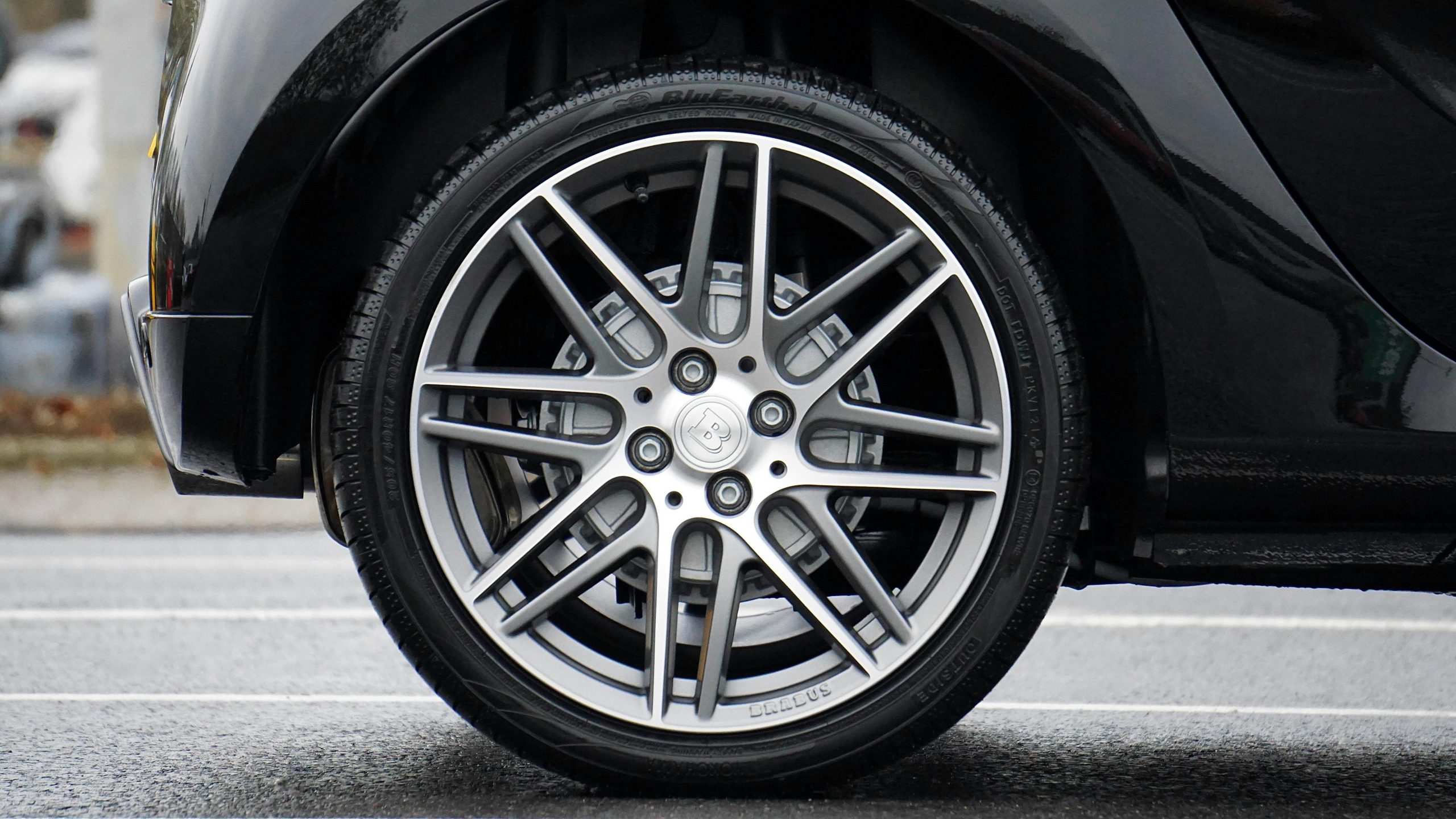
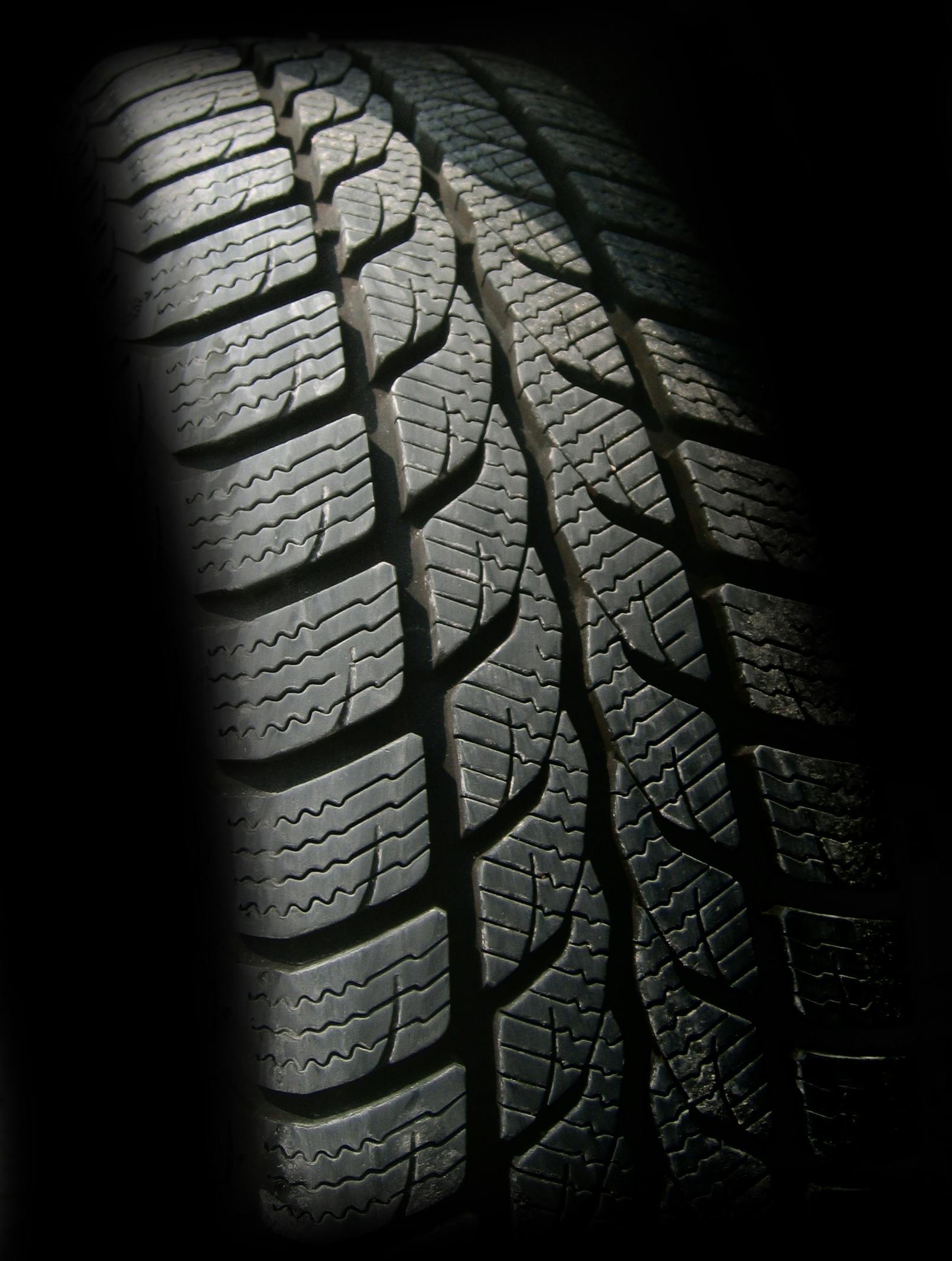
Most of us are used to seeing tires filled with air on our cars, bikes, and trucks. These traditional tires are called pneumatic tires.
But now, there’s something new in the world of wheels: airless tires. These tires don’t use air at all. Sounds strange, right? But airless tires might just be the future of transportation.
Let’s take a closer look at what they are, how they work, and why they’re getting so much attention.
What Are Airless Tires?
Airless tires are exactly what they sound like—tires that don’t need any air to work. Also called non-pneumatic tires, these are made from strong materials like rubber, plastic, or even metal, depending on the design.
Unlike regular tires, which can go flat if they get punctured, airless tires are solid or have a strong internal structure that doesn’t rely on air pressure.
You may have already seen them without realizing it. Many small vehicles like lawnmowers, wheelchairs, and even some military vehicles use airless tires. Now, car makers are starting to experiment with using these tires on regular vehicles too.
How Do Airless Tires Work?
If there’s no air inside, how can they hold up a car or truck?
The answer lies in smart design and strong materials. Airless tires use a special inner structure that gives them strength and flexibility. Here’s how they’re built:
1. Outer Tread Layer
This is the part that touches the road. It looks like a regular tire with grooves for grip. It’s made from strong rubber or synthetic materials that can handle heat, pressure, and wear.
2. Support Structure
Inside the tire, there’s a web-like pattern or a honeycomb design made from flexible plastic or rubber. This part holds the shape of the tire and supports the weight of the vehicle.
3. No Air Needed
Because of the way they’re made, these tires don’t need air to stay round. That means no air pressure, no blowouts, and no flats.
Some models even have open sides so you can see the structure. These open designs help reduce heat and allow the tire to flex naturally as it rolls over bumps.
Pros of Airless Tires
Airless tires offer several exciting benefits that might make you want to try them out once they hit the market. Let’s explore the top advantages.
1. No More Flat Tires
The biggest benefit is obvious—no flats. Traditional tires can go flat if you run over a nail, hit a curb, or get a slow leak. Airless tires can’t do that. Their solid structure makes them immune to punctures.
This also means no more spare tires or emergency roadside fixes, saving you time, stress, and money.
2. Low Maintenance
With no air to leak out, there’s no need to check tire pressure or refill them. That’s one less thing to worry about during car maintenance.
They’re also more resistant to damage from debris, which means fewer repairs over time.
3. Long-Lasting Durability
Airless tires are designed to last longer than traditional tires. Since they don’t wear out unevenly due to improper air pressure, they stay in better shape longer.
Some are even recyclable, making them a greener option for the environment.
4. Increased Safety
Blowouts at high speeds can cause serious accidents. Airless tires completely remove that risk. With their solid design, you’re less likely to lose control on the road due to a tire failure.
For drivers who travel a lot, especially in remote areas, this can be a huge safety benefit.
Cons of Airless Tires
Of course, airless tires aren’t perfect. They come with some drawbacks that you should know before deciding if they’re right for you.
1. Bumpier Ride
Air-filled tires give you a smoother ride because the air inside absorbs bumps and shocks. Airless tires don’t have that cushion, so the ride can feel stiffer or more bumpy, especially on rough roads.
2. Heat Issues
Because airless tires are solid or semi-solid, they don’t cool down as easily. Heat can build up when driving long distances, which might affect performance or even lead to faster wear in some designs.
3. More Road Noise
Some early versions of airless tires are noisier than traditional ones. You may hear more of the road, especially at higher speeds.
4. Not Widely Available
Right now, airless tires are mostly used in special vehicles. You probably won’t find them at your local tire shop just yet. However, big companies like Michelin, Bridgestone, and Goodyear are working on bringing them to the public soon.
5. Higher Cost (For Now)
Since airless tires are new and made with special materials, they can cost more than regular tires. But as production increases, prices should come down.
Where Are Airless Tires Being Used Today?
Even though most of us haven’t seen them on regular cars yet, airless tires are already being used in many places:
- Military and Defense: Soldiers need reliable equipment that won’t fail in tough conditions. Airless tires are great for this.
- Construction Vehicles: Bulldozers, forklifts, and skid steers use solid tires because they’re durable and don’t go flat.
- Lawn Equipment: Many lawnmowers and garden tools already use airless tires to avoid flat tires on rocky terrain.
- Bikes and Scooters: Some modern e-bikes and scooters use airless tires for daily use with no maintenance.
In 2023, Michelin tested a new airless tire called the Uptis (Unique Puncture-proof Tire System) on electric vehicles. It’s one of the first serious steps toward using airless tires on public roads.
Are Airless Tires the Future?
Airless tires are still in development, but they’re definitely moving forward. As technology improves, the downsides like rough ride and high cost are slowly being solved.
Experts believe that in the next 5–10 years, airless tires could become common for:
- Electric vehicles (EVs)
- Delivery vans
- City cars
- Rental scooters and bikes
With fewer flats, longer life, and better safety, these tires could change how we think about driving.
Final Thoughts
Airless tires may seem like something from the future, but they’re already here in many industries.
They don’t go flat, don’t need air, and last longer than regular tires. While they aren’t perfect yet, the benefits make them worth watching.
So next time you get a flat tire or spend time checking tire pressure, just remember—a future without flats might be rolling your way.